It's Not About the Console Anymore — It's About How You Hold the Thing
Sometime in the last few years, the old console wars just sort of... fizzled out. Sure, people still have brand preferences, and yes, the occasional Reddit thread will erupt over exclusive titles. But the truly passionate arguments — the ones that spill into Discords, get pinned on subreddits, and spark hour-long debates in Twitch chats — aren't really about hardware brands anymore. They're about something way more intimate: how you physically interact with the game.
Input method preference has become the new identity marker in gaming culture. And honestly? It makes a lot more sense than arguing over a plastic box under your TV.
The Keyboard-and-Mouse Faithful
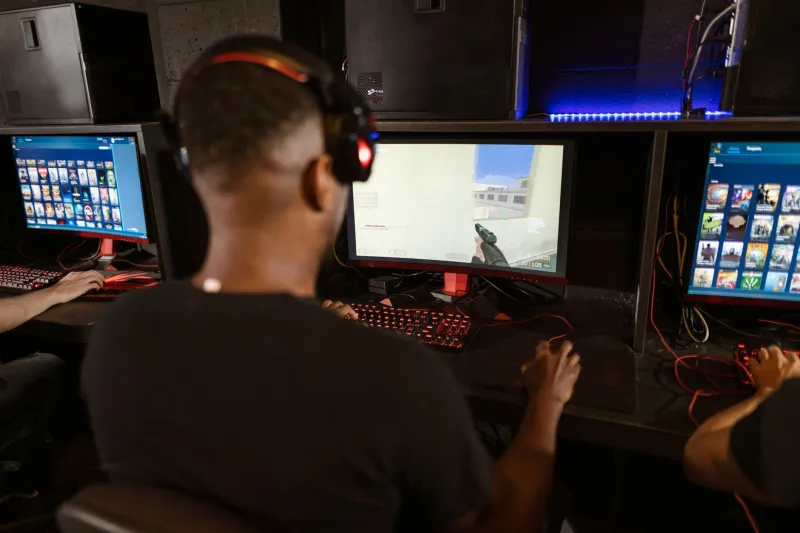
Ask any dedicated PC gamer about switching to a controller for a first-person shooter and watch their face. You'd think you'd just suggested they start eating cereal with a fork. The keyboard-and-mouse crowd has long held that their setup is simply superior for precision-based games — and when it comes to genres like competitive shooters or real-time strategy, the data is hard to argue with. The granularity of mouse movement and the instant access to dozens of keybinds genuinely does offer a mechanical ceiling that thumbsticks can't match.
But here's where it gets interesting: that technical edge has evolved into something more cultural than practical. KBM players often describe their setup as a philosophy — one built around precision, customization, and a kind of earned mastery. There's a pride in the learning curve, in the calluses, in having mapped every macro just right. It's less about winning and more about the relationship between player and machine.
Controller Culture Isn't Going Anywhere
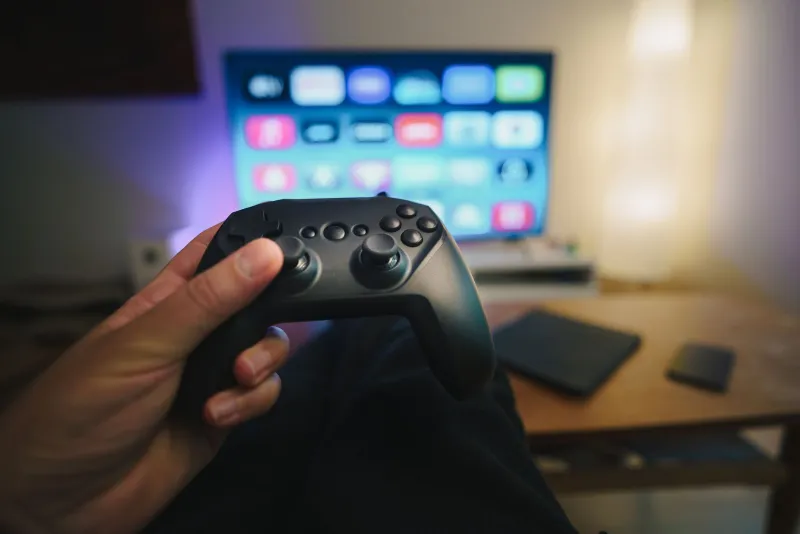
On the flip side, the controller faithful have their own deeply held convictions — and their numbers are enormous. In the US, console gaming still dominates living room culture, and for a huge portion of the gaming population, a controller isn't just a peripheral. It's the thing that connects them to decades of gaming memories. The feel of analog sticks, the muscle memory of face buttons, the way a good rumble motor makes an explosion feel real — that's not a compromise. That's the experience.
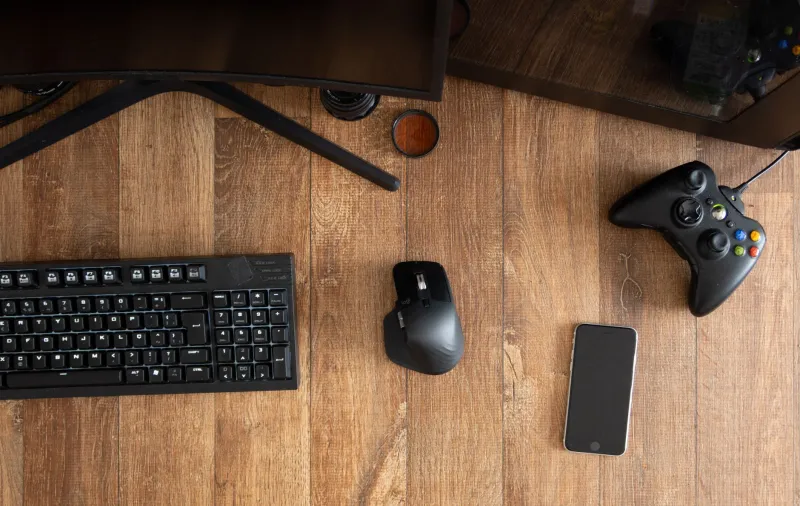
What's notable is how controller preference has expanded beyond consoles. A growing slice of PC gamers now plug in a gamepad by choice, especially for action-adventure games, platformers, and anything that rewards fluid movement over pinpoint accuracy. Steam's controller support stats back this up — millions of players are actively choosing thumbsticks even when they have a full KBM setup sitting right there.
For these players, the controller isn't a lesser option. It's the right option for how they want to feel inside a game.
Motion Controls: Perpetually Underrated, Occasionally Brilliant
Then there's the motion control contingent — smaller, louder, and absolutely convinced the rest of the gaming world is sleeping on something special. Nintendo's been beating this drum since the Wii era, and while motion controls have had their share of gimmicky misfires, the Switch has quietly built a genuinely enthusiastic community around them.
Games like Ring Fit Adventure, Arms, and even the motion-enhanced aiming in Zelda: Breath of the Wild have turned physical movement into a legitimate input language. For some players, that physicality is the whole point — it breaks the barrier between sitting passively and actually doing something. It's a different relationship with play entirely.
In the US, where gaming culture sometimes gets reduced to sedentary couch sessions, motion control advocates often frame their preference as a kind of reclaiming — making gaming feel more active, more embodied, more alive.
Accessibility Is Quietly Rewriting the Whole Conversation
Perhaps the most important thread running through all of this is the accessibility movement, which has fundamentally changed how we think about input design. Adaptive controllers, eye-tracking software, one-handed remapping solutions, and customizable button layouts have forced a long-overdue reckoning: the "standard" way to play was never actually universal.
Microsoft's Xbox Adaptive Controller became a cultural flashpoint when it launched, not just for what it enabled, but for what it implied — that the industry had been designing for a narrower audience than it ever admitted. Since then, games like The Last of Us Part I and God of War Ragnarök have set new benchmarks for accessibility options, and the conversation has only grown louder.
For many players navigating disabilities or physical limitations, input preference isn't a debate about competitive edge or nostalgic attachment. It's about being able to play at all. And that perspective has added a layer of genuine weight to what might otherwise seem like enthusiast squabbling.
Why This Matters More Than Brand Wars Ever Did
Here's the thing about the old console wars: they were ultimately about corporate loyalty dressed up as personal identity. Rooting for Sony or Microsoft was, at its core, rooting for a company — which is a weird thing to feel passionate about.
Input preference is different. It's about the tactile experience of play. It's about how a game feels in your hands, how quickly your brain translates intention into action, how comfortable and natural the whole thing is. That's genuinely personal in a way that logo allegiance never was.
And in 2024, with cross-platform play increasingly common and console exclusivity slowly eroding, the hardware tribalism that defined gaming discourse for decades just doesn't have the same grip. What's left — what people actually care about — is the moment-to-moment experience of playing.
So What Does Your Setup Say About You?
Maybe nothing profound. Maybe you use a controller because it's what you grew up with, and that's the whole story. Or maybe you switched to KBM three years ago and genuinely feel like a different player because of it. Or maybe you're part of the growing crowd that swaps between setups depending on the game, treating each input method as a tool rather than an identity.
All of those are valid. The real shift here isn't about which input is objectively best — it's that gamers are thinking more consciously about how they play, not just what they play. That's a maturation of the culture, honestly. Less tribalism, more intentionality.
The great controller divide isn't really a divide at all. It's a conversation — one that's way more interesting than anything the old console wars ever produced.