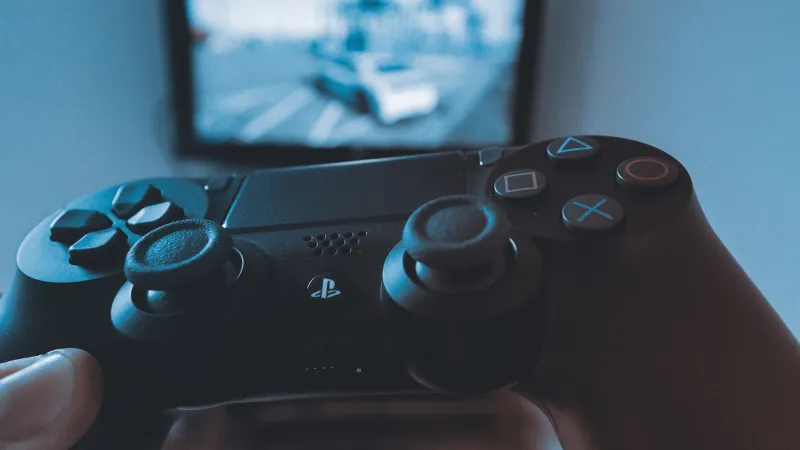
Why Your Brain Loves Games: The Science Behind Play, Reward, and Feeling Good
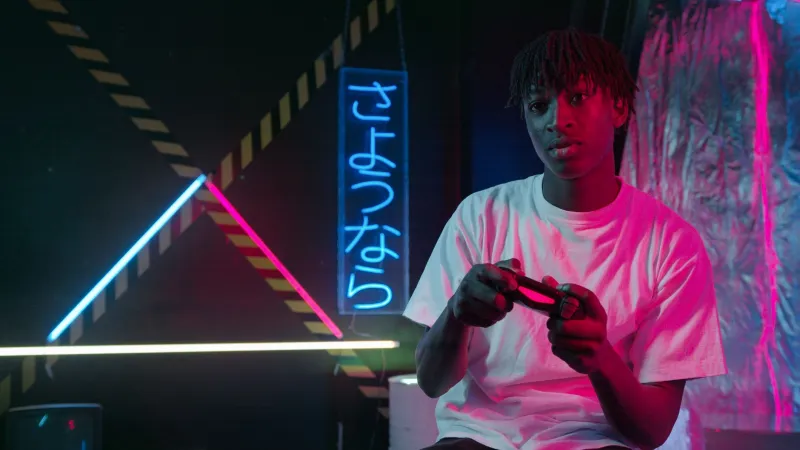
You're twenty minutes into "just one more round" and somehow it's 2 a.m. Sound familiar? Whether you're grinding through a battle royale, tapping away at a mobile puzzle, or sinking hours into a sprawling RPG, there's a reason games feel so magnetic. And no, it's not just weak willpower — your brain is literally built for this.
At PlayZone88, we spend a lot of time thinking about what makes entertainment tick. So we went deep on the psychology of gaming to figure out what's really going on when we play — and why understanding it might actually make you a smarter, happier player.
Your Brain on Games: The Dopamine Loop
Let's start with the basics. When you accomplish something in a game — level up, nail a tricky jump, outsmart an opponent — your brain releases dopamine, the same chemical tied to eating good food, falling in love, or crushing a workout. This isn't a bug in the system; it's a feature.
Psychologists refer to this as a "reward loop," and game designers have spent decades learning how to engineer it to near perfection. The cycle goes something like this: you face a challenge, you put in effort, you succeed (or fail and try again), and then you get a reward — points, a cutscene, a new item, or even just that satisfying ding of an achievement unlocking. Repeat.
Dr. Jamie Madigan, a psychologist who has written extensively on gaming behavior, has described this loop as one of the most powerful behavioral reinforcement systems humans interact with voluntarily. Games are uniquely good at calibrating difficulty so that players stay in what psychologists call the "flow state" — that zone where a task is challenging enough to be engaging but not so hard that it becomes frustrating.
Flow, a concept developed by psychologist Mihaly Csikszentmihalyi, is basically the mental sweet spot where time melts away and you're completely absorbed in what you're doing. Good games manufacture that feeling on demand. That's not an accident.
What We're Actually Looking For When We Play
Here's something interesting: research suggests that people don't just play games for fun. They play to meet deeper psychological needs. Self-Determination Theory, developed by psychologists Edward Deci and Richard Ryan, identifies three core human needs — autonomy, competence, and relatedness — and games happen to satisfy all three in ways that real life sometimes doesn't.
Autonomy is the feeling that you're in control of your own choices. In a game, you decide where to go, what to build, who to fight. Even in heavily structured games, the sense of agency is powerful.
Competence is the desire to feel skilled and effective. Every time you master a mechanic or beat a tough boss, your brain registers that as genuine achievement. Studies have shown that these in-game feelings of competence can actually carry over into improved mood and self-confidence in everyday life.
Relatedness is the need for connection with others. Multiplayer games, online communities, and even shared fandoms around single-player titles fulfill this in ways that surprised early researchers. Gaming isn't the isolating activity it was once portrayed as — for millions of Americans, it's a primary social outlet.
Gaming and Mental Well-Being: More Nuanced Than You Think
The conversation around gaming and mental health has come a long way from the panic-driven headlines of the '90s. Researchers today paint a much more nuanced picture.
A 2021 study from the Oxford Internet Institute found that people who played games like Animal Crossing and Plants vs. Zombies reported higher levels of well-being — and that the relationship between gaming time and happiness was more positive than previously assumed. The key variable wasn't how much people played, but why they played.
Playing to escape stress or anxiety in the short term? Totally normal and often helpful — games can function like a mental pressure valve. But relying on gaming as the only coping mechanism, or playing compulsively to avoid dealing with real problems, is where things can tip into unhealthy territory. Context, as always, matters.
Game designers are increasingly aware of this responsibility. Studios like Riot Games and Blizzard have implemented features specifically designed to encourage healthier play habits — session reminders, cooldown timers, and in some cases, direct mental health resources built into their platforms.
What Game Designers Know That the Rest of Us Don't
Talk to a game designer long enough and you start to realize they think about human psychology constantly. Every UI element, every difficulty curve, every sound effect is a deliberate choice aimed at shaping how you feel.
The satisfying crunch of a headshot. The gentle chime of a completed quest. The way a loot box shakes before it opens. These aren't random — they're carefully tested emotional triggers. Understanding this doesn't ruin the magic; if anything, it makes you appreciate the craft.
It also gives you a kind of superpower as a player. When you recognize that a game is using variable reward schedules (the same psychological mechanism behind slot machines) to keep you grinding, you can make more intentional choices about how you spend your time. You become a more conscious consumer of entertainment rather than just a passive one.
Practical Takeaways: Playing Smarter, Not Just More
So what do you actually do with all this information? A few things worth trying:
Match your game to your mood. Feeling overstimulated after a rough day at work? A cozy simulation game like Stardew Valley or Unpacking might serve you better than a high-stakes shooter. Your brain needs different things at different times.
Notice your "why." Before you boot something up, take two seconds to check in with yourself. Are you playing because you genuinely want to, or because you're avoiding something? Neither answer is wrong, but being aware of it puts you in the driver's seat.
Celebrate your wins — even small ones. The competence boost from gaming is real, but it's easy to discount it as "just a game." Let yourself feel good about mastering a skill. That sense of accomplishment is legitimate.
Use gaming as a social bridge. If you've got friends or family who game, use it as a connection point. Co-op games in particular are fantastic for building relationships in a low-pressure, fun environment.
At the end of the day, gaming is one of the most human things we do. We've been playing games since before recorded history — from ancient board games to modern open-world adventures, the drive to play is baked into who we are. Understanding the psychology behind it doesn't take the fun out of the experience. It just helps you get more out of it.
And hey, now you have a scientifically grounded excuse for staying up until 2 a.m. You're welcome.