500 Games, Zero Hours: The Uncomfortable Truth About Your Unplayed Library
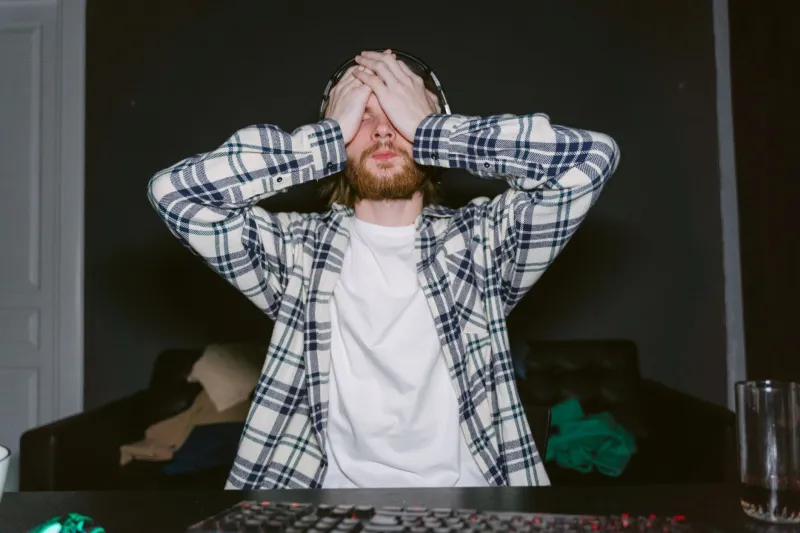
Open your Steam library right now. Scroll down. Keep scrolling. If you're anything like the average American PC gamer, you're going to hit a point where the titles start looking unfamiliar — games you vaguely remember buying during a holiday sale, bundles you grabbed because the math felt too good to ignore, free-to-keep titles you claimed on a Tuesday afternoon and never thought about again.
You're not alone. And honestly? You're not even a little weird for it.
The average Steam user owns somewhere north of 100 games, and a significant chunk of those accounts hold libraries that stretch into the hundreds or even thousands. Studies have suggested that only about 40% of Steam games ever get launched by the people who own them. That means the majority of digital purchases are essentially trophies — proof of acquisition rather than actual entertainment.
So what's going on here? Why do we keep buying games we never play?
The Sale Is the Game
There's a reason Valve runs its seasonal sales with the kind of fanfare usually reserved for actual holidays. The Steam Summer Sale, the Winter Sale, the Autumn Sale — these events have become cultural moments in the gaming calendar, and they're engineered to trigger a very specific psychological response.
When a $60 game drops to $6, your brain doesn't evaluate whether you want to play it. It evaluates whether you'd be foolish not to buy it. That's a completely different calculation, and it bypasses the rational part of your decision-making almost entirely. You're not purchasing entertainment anymore — you're capitalizing on a deal. The game itself becomes almost incidental.
Retailers figured this out decades ago with physical goods, but digital storefronts perfected it. There's no shelf space to worry about, no inventory to manage, and no friction at checkout. One click, and that game is yours forever. The barrier to purchase is so low that the act of buying barely registers as a decision at all.
Subscriptions Made It Even Weirder
If Steam sales planted the seeds of library bloat, subscription services watered them aggressively. Xbox Game Pass, PlayStation Plus, and similar offerings hand over dozens of titles per month — titles that are technically "yours" as long as you stay subscribed, or that you can claim permanently if you move fast enough.
The psychology here shifts slightly. Instead of deal-chasing, you're now experiencing a form of FOMO-driven accumulation. Missing a free monthly title feels like leaving money on the table, even if you have zero intention of ever launching it. People claim games the same way they grab extra napkins at a fast food counter — not because they need them, but because they're there and it costs nothing to take them.
The result is that even casual gamers can end up with libraries that look like those of serious enthusiasts. The collection becomes a kind of identity marker, a signal of participation in gaming culture, without any of the actual play time to back it up.
The Backlog as Status Symbol
Here's something interesting: gamers talk about their backlogs constantly, and not always with shame. There's a weird pride that creeps into the conversation. "I've got like 800 games I haven't touched" gets said with the same energy as "I've got a wine cellar I haven't gotten to yet." It implies taste, abundance, a life rich enough with options that you simply can't get to all of them.
Social platforms and apps like Backloggery or HowLongToBeat have built entire communities around the concept of the unplayed library. People catalog their backlogs, rank them, share them. The backlog itself has become a hobby adjacent to — and sometimes replacing — the actual act of playing games.
This isn't entirely irrational, by the way. There's genuine pleasure in curation, in building a collection, in knowing that on some rainy weekend you'll have exactly the right game waiting for you. The problem is that the rainy weekend rarely comes, and the collection keeps growing regardless.
Why Starting Feels Harder Than Buying
Picking up a new game requires a real commitment — of time, attention, and emotional energy. Modern titles especially demand a lot upfront: tutorials that stretch for hours, skill curves that punish impatience, and narratives that take a few sessions to actually get going. Buying a game is instant gratification. Playing a game is deferred gratification at best.
There's also what psychologists call the "paradox of choice." When you have 500 games available, the act of choosing one to play tonight becomes genuinely stressful. You might start something, second-guess yourself twenty minutes in, and end up doing nothing at all. The abundance that was supposed to make everything better actually makes it harder to enjoy anything.
This is why a lot of gamers find themselves replaying old favorites rather than diving into the new stuff. A game you already know delivers a reliable return. An untouched title is a gamble — what if it's not for you? What if you waste three hours on a bad fit?
Actually Fixing the Problem (If You Want To)
First, it's worth asking whether this is actually a problem for you. If buying games brings you joy and the backlog doesn't stress you out, fine. Not everything needs to be optimized.
But if you're feeling genuine anxiety about your unplayed library — and a lot of gamers do — here are a few approaches that actually work:
Buy less, obviously. This sounds glib, but a 30-day rule helps. Add something to your wishlist, wait a month, and see if you still want it. You'd be surprised how many impulse purchases evaporate on their own.
Set a one-in, one-out rule. Don't buy or claim a new game until you've finished or deliberately abandoned one you already own. It sounds rigid, but it forces real prioritization.
Pick a format, not a game. Instead of deciding what to play, decide how long you want to play tonight. Then find something in your library that fits that window. Short session? Grab a roguelite. Long evening? Maybe it's finally time for that RPG you've been avoiding.
Give yourself permission to quit. A lot of backlog anxiety comes from the feeling that starting something means committing to finishing it. It doesn't. You're allowed to play two hours of a game, decide it's not for you, and move on without guilt. That's not failure — that's actually playing your games.
Audit once a year. Go through your library and hide or categorize anything you're genuinely never going to play. A smaller, curated list feels way less overwhelming than a wall of 600 thumbnails.
The Real Takeaway
Gaming culture has quietly shifted from a hobby centered on play to one increasingly centered on acquisition. That's not entirely bad — there's real community and real joy in the collector's mindset. But if your library has become a source of stress rather than excitement, it might be time to flip the script.
The best game you own isn't the one sitting unplayed in a sale-purchased pile. It's the one you're actually in right now.