Fury, Then Five More Minutes: The Strange Loop That Keeps Angry Gamers Hooked
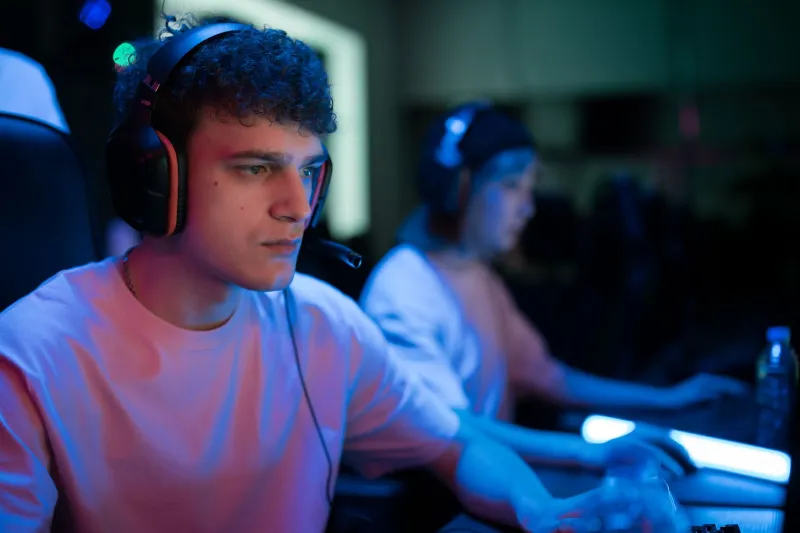
Let's be honest about something most gamers won't fully admit out loud: some of our most-played games are also the ones that have genuinely made us angry. Not mildly annoyed. Actually, legitimately furious. The kind of mad where you're pacing around the living room muttering to yourself about hitboxes and unfair AI and whoever thought that boss fight was acceptable game design.
And then you sit back down and try again.
This isn't a niche experience. It's one of the most universal things in gaming culture, and it has a name in the community — the rage quit paradox. You quit. You come back. You rage again. Repeat until either you beat the thing or your controller develops a new dent. Understanding why this cycle exists says a lot about how our brains work, and even more about how modern game designers are quietly engineering the whole thing.
The Brain on Frustration (It's Complicated)
Here's something that sounds counterintuitive: frustration and engagement are not opposites. In fact, from a neurological standpoint, they're practically neighbors.
When you fail at something difficult, your brain doesn't just register "bad outcome" and move on. It starts problem-solving. It replays what happened. It looks for patterns. That process activates the same reward-adjacent systems that light up when you're anticipating a win — which means the moment right after a brutal defeat can actually prime your brain to want to try again, not give up.
Psychologists call this the "goal gradient effect" combined with what some researchers describe as "motivational persistence under failure." In plain English: the closer you feel to success, the harder it is to walk away, even when you're furious. A boss fight that kills you when it's at 5% health is almost physically harder to quit than one that beats you at full health. Your brain has already invested. It wants the payoff.
This is why the games that make people the angriest are often the games with the highest playtime numbers. Dark Souls. Elden Ring. Celeste. Hollow Knight. Competitive shooters like Valorant or Call of Duty. These are titles people pour hundreds of hours into, all while regularly complaining about how much they hate specific parts of them.
Game Designers Know Exactly What They're Doing
None of this is accidental. The people building these experiences understand the psychology, sometimes better than the players do.
Difficulty curves in well-designed games are essentially emotional architecture. The goal isn't to make you feel good all the time — it's to calibrate how bad you feel and for how long, so that the eventual success hits harder. Game designers talk about this in terms of "tension and release," and the best ones treat it like music composition. Too much tension for too long and players burn out. Not enough and the game feels meaningless. The sweet spot is what keeps you in that five-more-minutes loop at midnight on a Tuesday.
Checkpoint placement is one of the sneakiest tools in this arsenal. Lose progress and you feel the sting. But if the checkpoint puts you right at the edge of where you failed — close enough that you can almost taste the next section — that sting becomes fuel rather than a reason to quit. It's deliberate. Designers spend enormous amounts of time testing exactly how much setback players will tolerate before the frustration tips into abandonment.
Audio and visual feedback plays a role too. That satisfying crunch when you land a hit, the screen shake, the enemy's health bar visibly dropping — these micro-rewards happen during a hard fight, not just at the end. They're telling your brain "you're doing something, this is working, keep going" even when you're losing overall. Strip those out and the same difficulty level feels dramatically less engaging.
When Design Crosses a Line
Here's where it gets thornier, though. Not all frustration is created equal, and there's a meaningful difference between a game that challenges you and one that's essentially exploiting your psychology against your own interests.
Some of the more predatory design patterns in modern gaming — particularly in free-to-play and mobile spaces — are built around manufacturing frustration specifically to drive spending. Hit an artificial wall. Get angry. Buy a power-up to get past it. Feel temporary relief. Hit the next wall. That cycle isn't designed around your enjoyment. It's designed around your wallet, and the emotional manipulation is more calculated than anything you'd find in a FromSoftware title.
Even in premium games, there's a debate worth having about when "challenging" becomes "unfair" in ways that aren't fun for most people. Accessibility options have become a genuine flashpoint in gaming culture — some players feel that easier modes undermine the intended experience, while others argue that arbitrary gatekeeping just excludes people who could otherwise love the game. Both sides have a point, honestly.
The tell, usually, is whether the frustration feels meaningful. Dying in Elden Ring after a long boss fight feels different from losing progress in a mobile game because a timer ran out. One feels like a puzzle you haven't solved yet. The other feels like being squeezed.
So Why Do We Come Back?
Strip away all the neuroscience and design theory and you get to something simpler: overcoming something genuinely hard feels really good. Maybe better than almost anything else games offer.
Beating a boss that destroyed you for three hours straight produces a kind of satisfaction that a game you waltzed through on the first try just cannot match. There's a direct relationship between how hard something was and how good it feels to conquer it. That's not a bug in your psychology — it's a feature. It's why athletes push through brutal training sessions and why musicians practice scales until their fingers hurt.
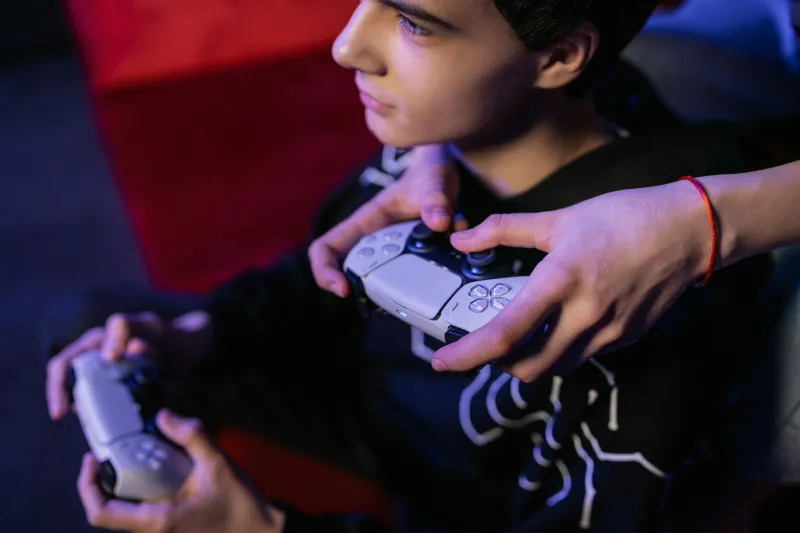
Games tap into that same human drive, just in a context where the stakes are low enough that most of us are willing to keep trying. Nobody's getting hurt. The controller might take some abuse, but you can always load back in.
The rage quit paradox isn't really a paradox at all when you look at it straight. You come back because part of you knows — even in the middle of the fury — that the feeling waiting on the other side of that wall is worth it. The anger isn't the problem. It's practically the point.
So the next time you swear you're done and then find yourself back at the title screen two minutes later, don't be too hard on yourself. You're not weak-willed. You're just wired exactly the way the designers hoped you were.