Pocket Power: How Handheld Gaming Is Pulling Players Away From Their PCs
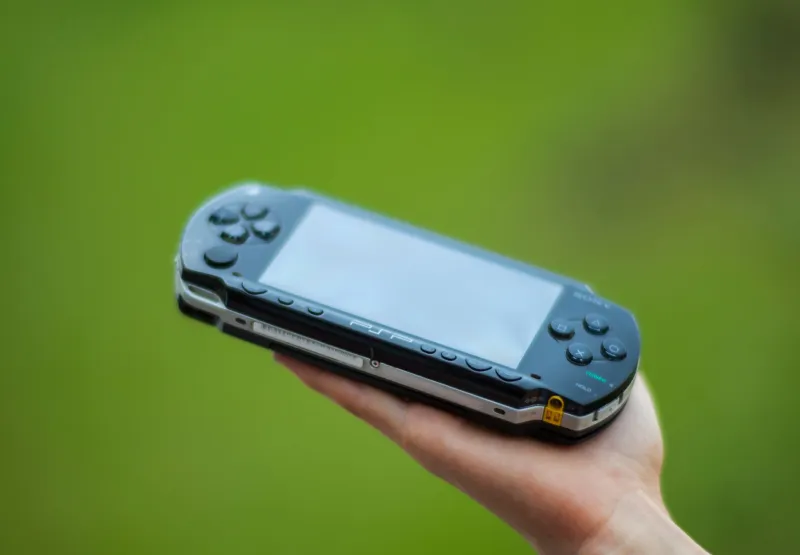
For years, the narrative around PC gaming was basically untouchable. Better graphics, more games, total control over your hardware — what's not to love? And yet, something funny has been happening lately. Walk into any airport lounge, coffee shop, or break room across the country and you'll spot people hunched over small screens, thumbs flying, playing what are unmistakably real, serious games. Not mobile shovelware. Not casual time-killers. Full, honest-to-goodness titles that used to live exclusively on desktops and living room consoles.
The handheld gaming renaissance is real, it's growing, and it's quietly eating PC gaming's lunch in ways nobody fully predicted.
The Desk Isn't Optional Anymore — Until It Is
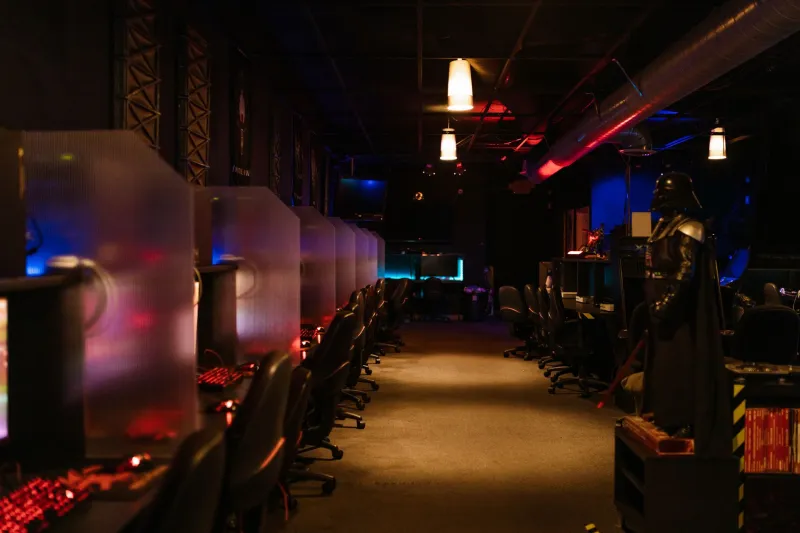
Here's the thing about PC gaming that nobody talks about enough: it demands a lot from you before you ever load a game. You need a dedicated space. You need a decent chair. You need a rig that can actually handle what you're throwing at it. And increasingly, you need to juggle multiple storefronts, deal with launcher conflicts, sit through patches that arrive right when you finally have an hour free, and navigate DRM systems that seem designed to remind you that you don't really own anything you've paid for.
Handhelds sidestep almost all of that. You pick the thing up, you press a button, and you're playing. That simplicity sounds small until you've spent twenty minutes waiting for a game client to update while your window of free time shrinks by the minute.
For a growing chunk of American gamers — particularly folks in their late twenties through forties who have jobs, families, and genuinely unpredictable schedules — that friction isn't a minor annoyance. It's a dealbreaker.
Why Portables Feel Like a Breath of Fresh Air
The appeal of modern handhelds goes beyond just convenience. There's something almost rebellious about them in today's gaming landscape. When the rest of the industry is pushing subscriptions, live-service models, and always-online requirements, a device you can take anywhere and play without an internet connection feels almost radical.
That offline-first experience is a bigger draw than it sounds. No server outages killing your session. No forced disconnections. No "you must be online to access this feature" walls between you and the game you bought. Just the game, your hands, and wherever you happen to be sitting.
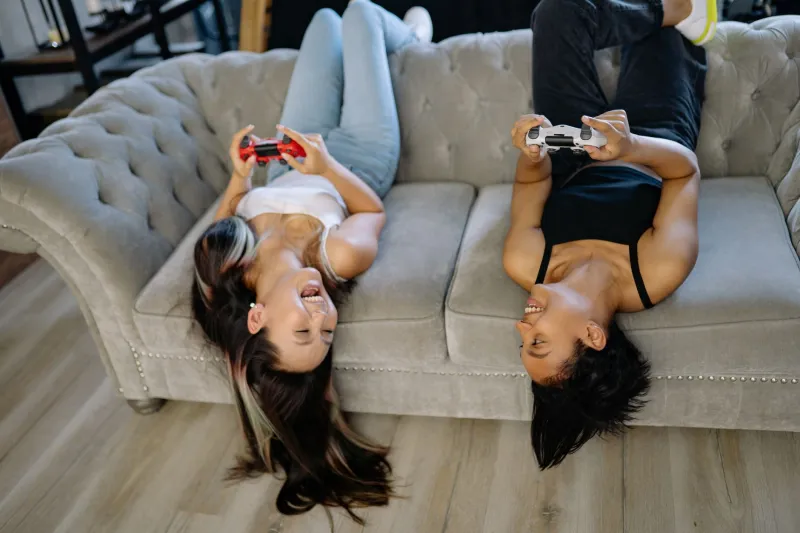
There's also the physical reality of playing on a handheld that changes how gaming feels. Lying on the couch, sitting on a back porch, riding a train between cities — the context of where you play ends up shaping how you feel about the experience. Games that might feel like a chore at a desk can feel like a genuine treat when you're curled up somewhere comfortable.
The Steam Deck Effect
It would be dishonest to talk about this shift without acknowledging the device that probably kicked it into high gear. Valve's entry into the handheld space didn't just put a portable computer in people's hands — it made an argument that your existing PC library could come with you. For a lot of Steam users, that was the pitch that finally landed.
But the interesting thing is what happened after people started using it. Many of them didn't just replay old favorites on the go. They started preferring the handheld experience even for games they could have played on their main rigs. The portability wasn't a compromise. For them, it was an upgrade.
That's a meaningful psychological shift. When people actively choose the smaller screen over the powerful desktop setup they paid good money for, it says something about what they're actually looking for from gaming right now.
It's Not Just One Device
The Steam Deck gets most of the headlines, but it's not alone in this space. Other manufacturers have jumped in with their own takes on the portable PC gaming concept, and Nintendo has been quietly dominating this category for years with hardware that keeps finding new audiences every console generation. The Switch didn't just survive — it became one of the best-selling gaming platforms in American history, largely because it nailed the hybrid concept before anyone else made it feel mainstream.
What all these devices share is a design philosophy that puts the player's lifestyle first rather than asking the player to rearrange their life around the platform. That's a genuinely different approach from how gaming hardware has typically been sold, and consumers are responding to it.
The Catalog Problem Is Basically Solved
One of the old arguments against handhelds was always the library. You'd get a dedicated portable device and then find yourself playing a thin selection of ports and exclusives while the "real" games stayed locked to consoles and PCs. That argument has aged poorly.
Between robust indie libraries, decades of classic titles available through various storefronts and emulation, and an increasing number of major releases getting optimized handheld versions, there's genuinely no shortage of things to play on a modern portable. In some cases, the handheld version of a game is the preferred version — smaller, more focused experiences that fit naturally into shorter play sessions.
Cozy games, RPGs, roguelikes, puzzle games, platformers — entire genres feel tailor-made for handheld play. And the players migrating from PC platforms are finding that the libraries waiting for them are deeper than they expected.
What This Means for the Bigger Picture
None of this means PC gaming is dying. That's not the story here. Plenty of genres and experiences still make the most sense at a desk with a proper monitor and a high-end GPU. Competitive shooters, simulation games, anything that benefits from a large screen and precise peripherals — those aren't going anywhere.
But the default assumption that serious gaming happens at a desk is crumbling, and that's significant. Platform holders and developers are going to have to reckon with an audience that increasingly values flexibility over raw performance, and accessibility over ecosystem lock-in.
For players, though? This is mostly just good news. More options, more ways to play, and a growing acknowledgment from the industry that the person holding the controller gets to decide how, when, and where they game — not the other way around.
The desk will always be there. But so will the couch, the back porch, the passenger seat, and the lunch break. Handhelds figured that out. Now millions of players are figuring it out too.