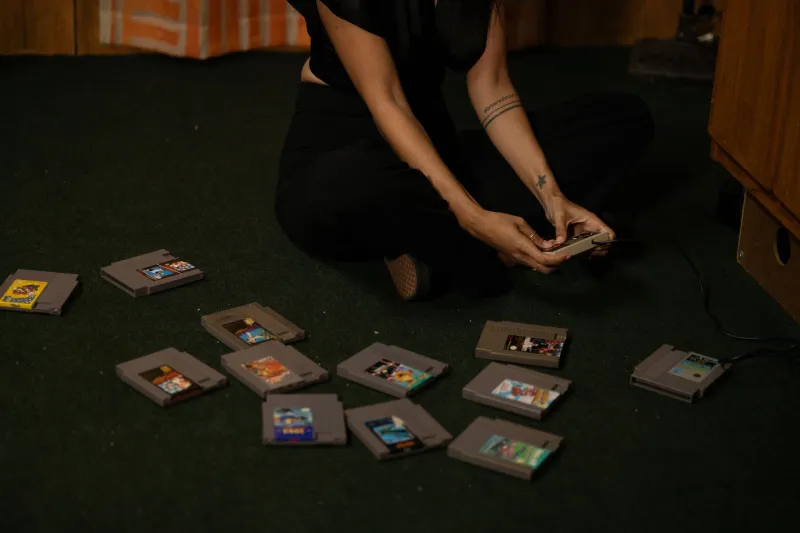
Dead Games Don't Stay Dead: The Unexpected Revivals Reshaping How We Play in 2024
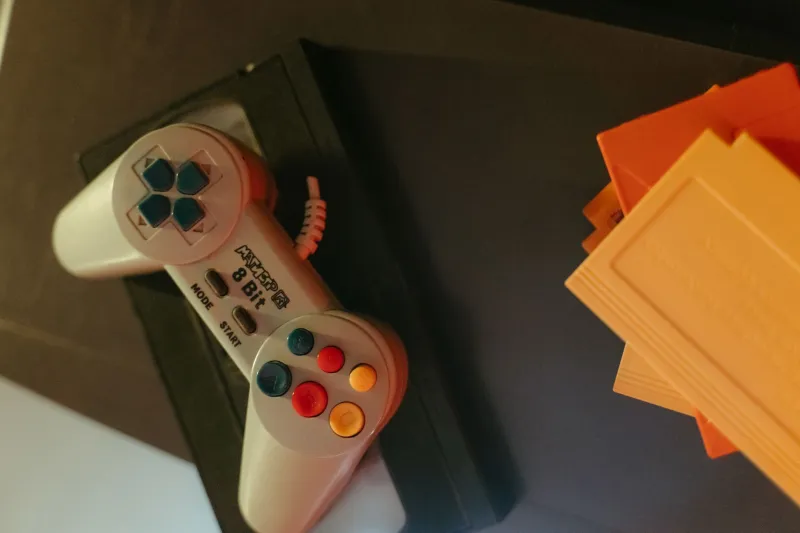
There's a game sitting in your memory right now. Maybe it was an online shooter that lost its servers years ago. Maybe it was a cult RPG that the original studio quietly stopped supporting. You figured it was gone — filed away under "things we lost" — and you moved on.
Except, apparently, someone didn't.
Across the US gaming scene in 2024, something quietly remarkable has been happening. Titles that were functionally dead — no patches, no servers, no official support — are coming back. Not through corporate reboots or high-budget remasters, but through the stubborn, passionate work of players who refused to let them go.
What "Dead" Actually Means in Gaming
Before we get into the revival stories, it's worth unpacking what a dead game even looks like. Sometimes it's obvious: servers shut down, the studio closes, and the game becomes literally unplayable. Sometimes it's subtler — the game still technically works, but the community has scattered, matchmaking queues sit empty, and the last forum post is dated three years ago.
Either way, the effect is the same. The game stops being a living thing. It becomes a memory.
What's changed in 2024 is that the gap between "abandoned by developers" and "unplayable" has gotten a lot wider — and communities are filling that gap themselves.
The Patch Scene Nobody's Talking About
Fan-made patches have existed for decades, but something shifted recently in terms of ambition and execution. We're not just talking about bug fixes or minor tweaks. Today's community patches are restoring cut content, rebalancing entire progression systems, and even rebuilding multiplayer infrastructure from scratch.
Take the broader trend of what's happening with older MMOs and online-dependent titles. Private server projects — once treated as legally murky side projects — have become sophisticated operations with thousands of active players. Some of these communities operate with a level of technical polish that rivals the original development teams. They document their work, publish changelogs, and maintain active Discord servers with dedicated support channels.
For a lot of American players who grew up on these games, finding a working private server isn't just a nostalgia trip. It's a genuinely social experience — the chance to re-enter a world they thought was locked forever.
Emulation's Glow-Up
Emulation has always been part of gaming culture, but its mainstream visibility in 2024 is on another level. Platforms like YouTube and Twitch have amplified emulation content to audiences that wouldn't have sought it out on their own, and the result is a feedback loop: a content creator plays an obscure title from 2003, a few hundred thousand people watch, and suddenly there's a whole new wave of players hunting down ROMs and setting up emulators for the first time.
What's interesting is who those new players are. It's not just older gamers chasing something familiar. Younger players — people who were in elementary school when these games originally launched — are discovering them fresh, without the baggage of nostalgia. When they call a 20-year-old game "underrated" or "ahead of its time," they mean it literally. They have no prior attachment. They're just responding to the game itself.
That's a genuinely different kind of revival, and it raises a real question: how much of this phenomenon is nostalgia, and how much of it is just good games finding audiences they never had?
Nostalgia vs. Genuine Quality — Does the Distinction Matter?
Honestly? Maybe not as much as people think.
There's a tendency to dismiss revivals as pure nostalgia — rose-tinted glasses, comfort-seeking, an unwillingness to engage with the new. And sure, some of that is happening. But the games that are actually sustaining renewed communities in 2024 aren't surviving on sentiment alone. They're surviving because players keep finding things worth engaging with.
Older design philosophies — slower pacing, less hand-holding, systems that reward exploration rather than directing players through a linear experience — have started to look less like limitations and more like features. After years of games that guide you toward every objective with glowing breadcrumbs, something that trusts you to figure things out can feel genuinely refreshing.
That's not nostalgia. That's a preference.
Grassroots Efforts That Actually Worked
Some of the most compelling revival stories involve games that came back harder than they left. Communities that started as small Discord servers grew into organized modding teams, then into active player bases that now dwarf the game's original peak numbers. It sounds improbable, but it's happened multiple times in the last couple of years.
The pattern usually looks something like this: a dedicated core of players refuses to let a game die, they build tools and documentation to make the game accessible to newcomers, a piece of content (a YouTube video, a Reddit post, a TikTok clip) exposes the game to a wider audience, and then the community infrastructure is already there to absorb the influx.
That last part is crucial. The games that successfully revive aren't just rediscovered — they're ready for rediscovery. The community has done the work to lower the barrier to entry.
The Complicated Part
None of this comes without friction. Fan patches and private servers exist in a legally gray zone that publishers occasionally crack down on, sometimes aggressively. There's a real tension between the communities keeping these games alive and the companies that technically still own the intellectual property — even if those companies have shown zero interest in doing anything with it.
For now, most publishers seem content to look the other way, particularly when the game in question is generating no commercial revenue anyway. But it's an uneasy truce, and players who've invested hundreds of hours into revived communities know that the rug could get pulled at any time.
That uncertainty is part of the culture, though. There's something almost defiant about the whole enterprise — building something meaningful on borrowed time.
What It All Means
The revival trend tells us something important about what players actually want. Not just new things, but good things. Not just the latest release, but the right experience at the right moment.
In an era where new games are expensive, release schedules are relentless, and live-service fatigue is real, going back to something that already proved itself doesn't feel like settling. It feels like a smart choice.
Dead games don't stay dead when they were worth keeping alive. In 2024, more players than ever are making sure of it.