When the Camera Rolls, the Fun Dies: Inside Streaming's Quiet Burnout Crisis
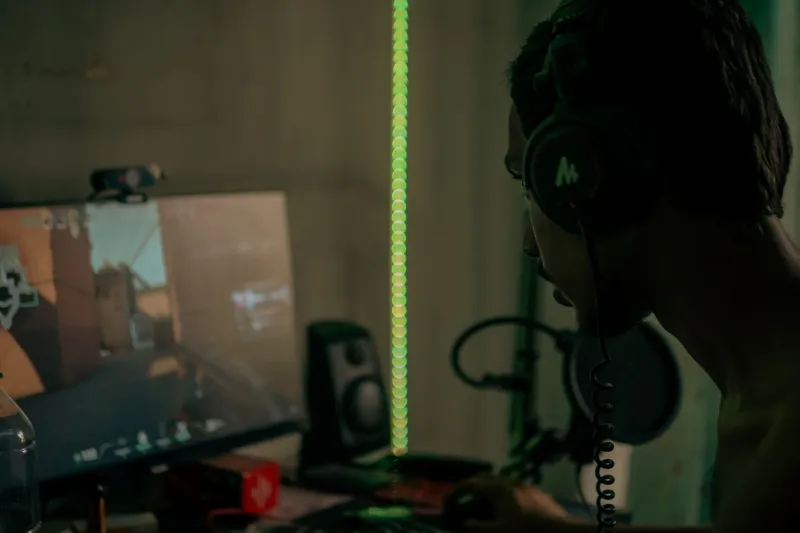
There's a moment a lot of longtime gaming fans have probably noticed without quite being able to name it. You're watching one of your favorite streamers — someone you've followed for years — and something feels off. They're playing the right game, saying the right things, hitting their usual energy markers. But behind the eyes? Nothing. The spark that made you subscribe in the first place has quietly packed its bags and left.
This isn't a one-off observation. It's becoming one of the more uncomfortable open secrets in gaming entertainment right now.
The Grind Behind the Glow
From the outside, being a top gaming streamer looks like the ultimate setup. You play games for a living, people throw money at you through subscriptions and donations, and your job description is essentially "have fun on camera." But spend five minutes actually talking to people inside that world — or just pay attention to what streamers themselves are saying — and a very different picture comes into focus.
The reality is closer to shift work than playtime. Successful streamers are expected to maintain consistent schedules, often streaming five to seven days a week for hours at a stretch. Miss too many days and the algorithm punishes you. Viewers drift. Revenue dips. The platforms that made these creators stars are not exactly forgiving of inconsistency.
Now layer on top of that the pressure to play what's trending. A mid-tier streamer grinding through a game they genuinely love but that only pulls a few hundred viewers has to make a real business decision: keep playing for the love of it, or pivot to whatever survival game or battle royale just exploded on the charts this week. For most people with rent to pay, that decision basically makes itself.
Algorithms Don't Care About Your Taste
Here's where the paradox really digs in. Gaming content, more than almost any other category on streaming platforms, lives and dies by discoverability. If you're not showing up in search results and recommended feeds, you might as well not exist. And the way you show up is by playing what people are already searching for.
That creates a feedback loop that slowly hollows out authenticity. A creator who built their audience on deep RPG dives might spend most of their actual streaming hours on a shooter they find repetitive, because that's what the numbers reward. Over time, the gap between what they're playing and what they actually want to play widens into something that starts to feel a lot like a trap.
Several high-profile streamers have talked openly about this in the past year or two. The language they use varies — "content fatigue," "going through the motions," "feeling disconnected" — but the underlying story is remarkably consistent. The job ate the hobby.
What Burnout Actually Looks Like on Stream
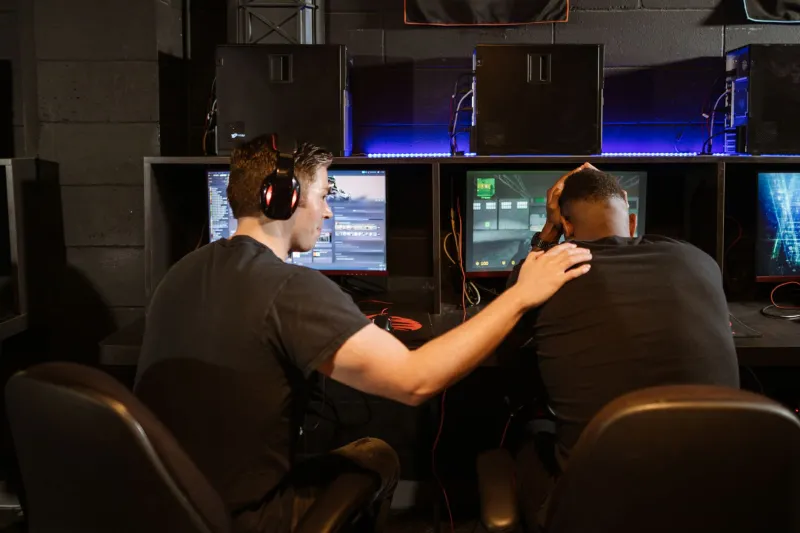
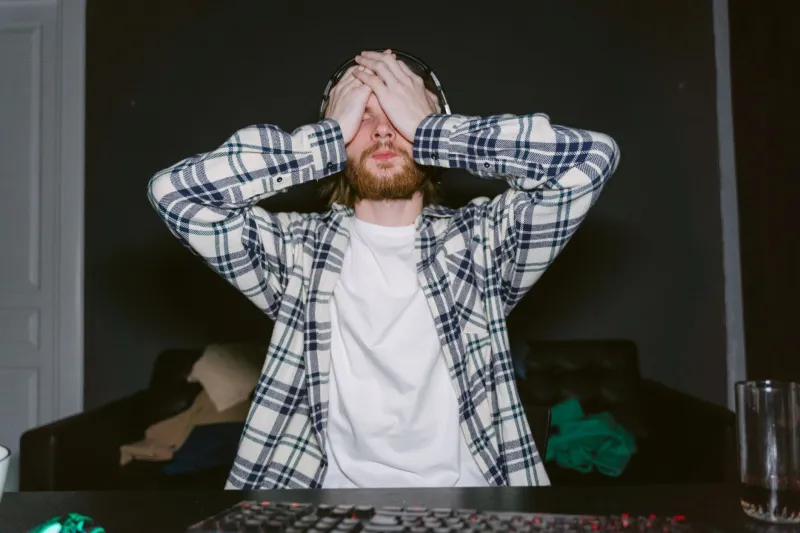
Burnout in this context doesn't always announce itself dramatically. It's rarely a public meltdown or a tearful goodbye video (though those happen too). More often it's subtle. Response times get a little slower. Commentary gets a little flatter. The streamer who used to genuinely react to every wild in-game moment now processes them with the energy of someone filing paperwork.
Regular viewers tend to notice before the streamer admits it. Community forums fill up with threads like "Is [streamer name] okay?" or "Anyone else feel like they've seemed checked out lately?" It's a strange kind of parasocial concern — fans watching someone they care about visibly struggling with the very thing that's supposed to be their passion.
The cruel irony is that this is often when viewer numbers start to slip, which increases the pressure to perform harder, which accelerates the burnout. It's a cycle that's genuinely difficult to break without stepping back — and stepping back costs money.
The Authenticity Problem Nobody Wants to Talk About
There's a broader issue here that goes beyond individual creator wellness. When the people most visibly representing gaming culture to mainstream audiences are disengaged from the games they're playing, it distorts the entire conversation around what gaming actually is.
Streaming has become one of the primary ways a lot of Americans — especially younger audiences — discover new games and form opinions about the hobby. If the most-watched voices are chasing trends rather than genuine enthusiasm, the recommendation pipeline gets polluted. Games that deserve attention get buried because they don't fit the algorithmic moment. Games that are mediocre but marketable get amplified because they're what the platform is pushing this week.
For viewers who don't spend a lot of time digging through review sites or gaming forums, a streamer's energy is essentially a proxy for whether a game is worth caring about. A burned-out streamer playing a game they don't believe in is sending a signal — even if neither party fully realizes it.
Some Creators Are Pushing Back
Not everyone is quietly suffering, to be fair. There's a growing contingent of streamers who have made a deliberate choice to play what they actually want, audience size be damned. Some of them have built surprisingly loyal communities around that authenticity — smaller numbers, sure, but viewers who are genuinely there for the creator's taste rather than whatever's trending.
The trade-off is real, though. Choosing authenticity over algorithm often means accepting a ceiling on growth. In a space where visibility compounds on itself, that's not a trivial sacrifice.
A few larger creators have also started using their platforms to be more honest about the grind — posting about scheduled breaks, being transparent about which games they're playing for content versus which ones they actually want to play. Audiences have generally responded well to that honesty, which suggests there's more appetite for genuine connection than the pure engagement-maximization model gives viewers credit for.
What This Means for the Rest of Us
If you're someone who watches gaming content casually — using streams to figure out what to pick up next, or just to unwind with some background entertainment — it's worth being a little more critical about what you're consuming. A streamer's enthusiasm, or lack of it, tells you something. So does the pattern of games they cover.
And if you're someone who genuinely cares about gaming culture as a thing worth preserving, the burnout problem is worth paying attention to. The creators who bring real knowledge, genuine curiosity, and authentic reactions to their platforms are a resource. Treating them like content machines until they break is not a great long-term strategy for anyone.
The best gaming streams have always felt like watching a friend play — someone who's actually invested in what's happening on screen. That feeling is harder to manufacture than it looks. And once it's gone, audiences notice, even if they can't always say why.